


Few architectural features capture the essence of comfortable, Southern living quite like a wrap around porch. This timeless design element transforms houses into welcoming homes while adding substantial value and versatile outdoor space. Whether you’re planning a new build or considering adding one to your existing property, understanding the nuances of wrap around porch designs will help you make informed decisions that enhance both your lifestyle and investment.
What Makes Wrap Around Porch Designs Special?
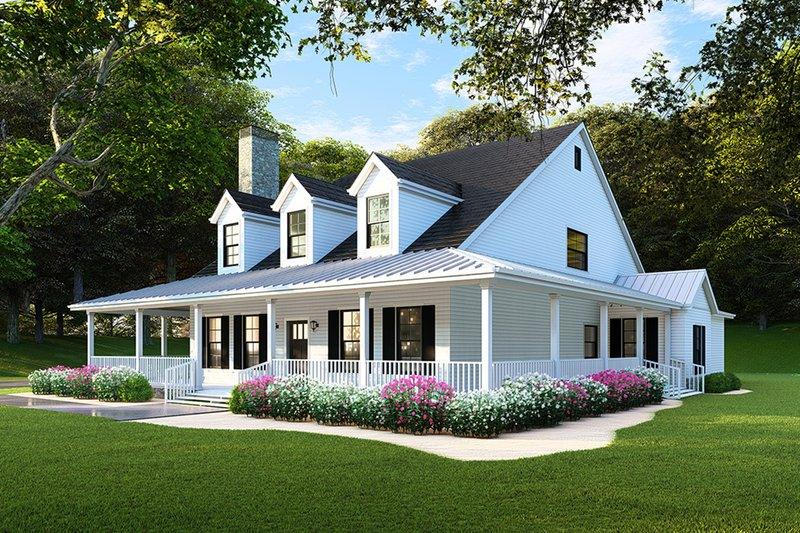
A wrap around porch extends around at least two sides of your home, creating a continuous outdoor living space that connects different areas of your property. Unlike a simple front porch or stoop, these porches offer panoramic views, multiple access points, and significantly more usable square footage.
The beauty of house designs with wrap around porch lies in their versatility. You can create distinct zones for different activities—a morning coffee nook facing east to catch the sunrise, a dining area for entertaining guests, and a quiet reading corner tucked away for afternoon relaxation. This flexibility makes wrap around porches particularly valuable for homeowners who want to maximize their outdoor living potential.
Architectural Styles That Embrace Wrap Around Porches
Farmhouse Style
The farmhouse with wrap around porch remains the most iconic pairing. These designs typically feature simple, functional railings, substantial wood posts or columns, and wide planks that create a rustic, welcoming atmosphere. Modern farmhouse interpretations maintain the generous porch proportions while incorporating contemporary materials like metal roofing and composite decking that require less maintenance than traditional wood.
Victorian Architecture
Victorian house designs with wrap around porch showcase ornate detailing that defined the late 19th century. Expect to see decorative spindles, intricate balusters, corbels connecting posts to the lower roof, and turned columns. These porches often feature multiple levels and complex rooflines that mirror the elaborate nature of Victorian architecture itself.
Southern Traditional
Southern house plans naturally incorporate wrap around porches as a response to hot, humid climates. These designs prioritize shade and airflow, with deep overhangs, ceiling fans, and strategic positioning to capture cooling breezes. The columns tend to be substantial—often square or round in cross-section—providing both structural support and visual gravitas.
Craftsman Bungalow
Craftsman style homes feature wrap around porches with thick, tapered columns typically sitting on stone or brick piers. The emphasis here is on sturdy, handcrafted details with exposed beams, knee braces, and natural materials. These porches feel grounded and integrated with the landscape rather than simply attached to the home.
Modern Interpretations
Contemporary house designs with wrap around porch prove this feature isn’t limited to traditional architecture. Clean lines, neutral color palettes, sleek cable railings, and minimalist columns can create wrap around porches that complement modern homes beautifully. Some designers incorporate mixed materials—combining wood decking with metal railings and glass panels—for a fresh take on this classic element.
Planning Your Wrap Around Porch: Critical Dimensions and Layout
Standard Depth Considerations
The minimum functional depth for a wrap around porch is 6 to 8 feet. This provides enough space for standard porch furniture and comfortable circulation. However, if you envision using your porch for dining or entertaining larger groups, consider increasing the depth to 10 to 12 feet or more.
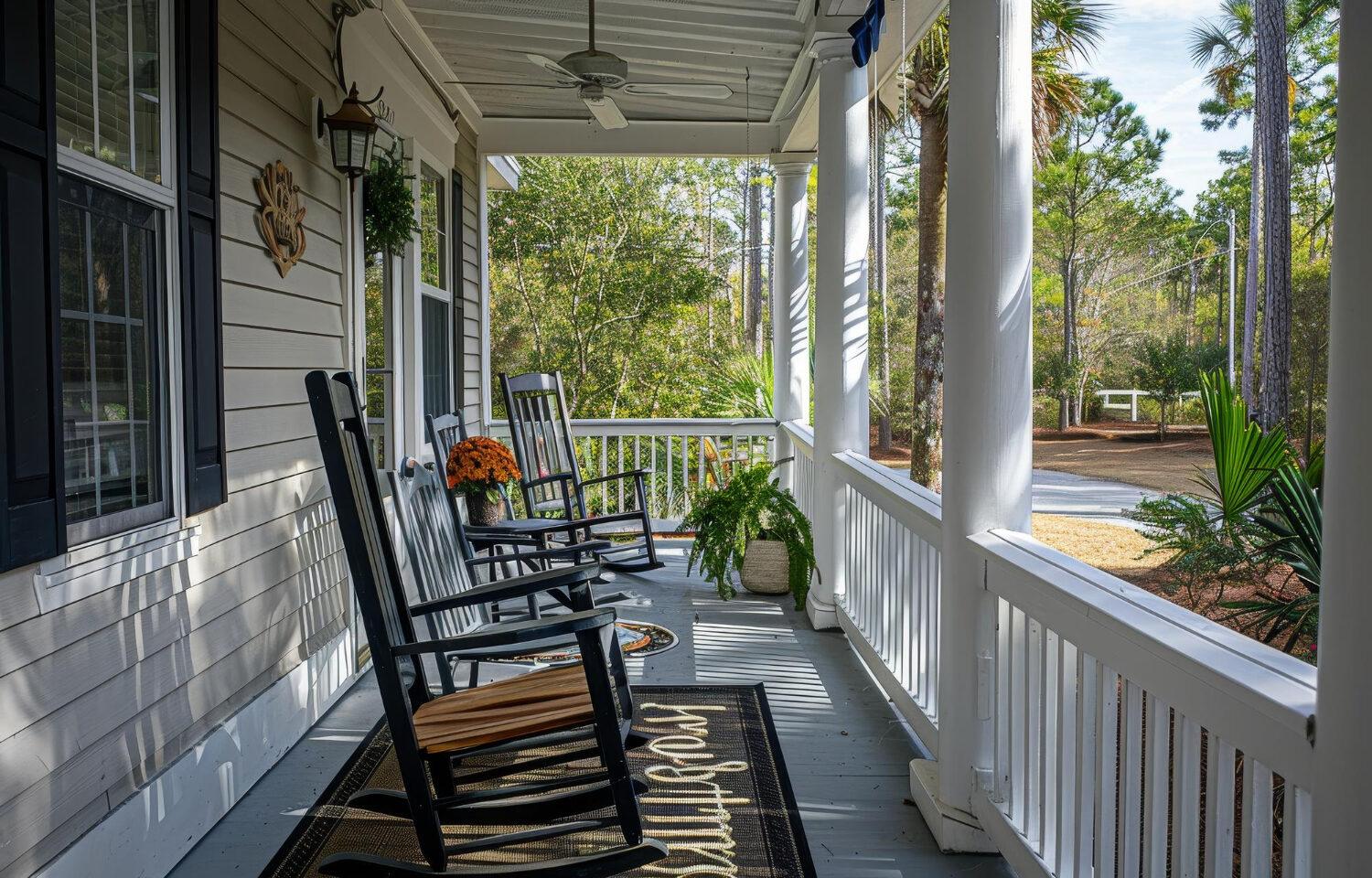
Depth directly impacts how you’ll use the space. An 8-foot porch accommodates a pair of rocking chairs with a small side table. A 10-foot depth allows for a full seating group with a coffee table and clearance to walk behind seated guests. At 12 feet or wider, you can create multiple distinct areas—perhaps a dining table at one end and a conversation grouping at another.
Length and Coverage
Wrap around porches vary dramatically in extent. The minimum definition requires coverage of at least two sides of your home, typically forming an L-shape along the front and one side. A U-shape wraps three sides, while the most ambitious designs encircle the entire home.
Your decision should balance budget, lifestyle needs, and property constraints. An L-shaped configuration often provides the best value, creating substantial outdoor space while keeping costs manageable. Full wrap around designs work particularly well on rural properties where views in all directions justify the additional expense and maintenance.
Height and Accessibility
Most wrap around porches sit 18 to 36 inches above grade, requiring steps for access. The exact height depends on your home’s foundation and local building codes, which often mandate railings once the porch exceeds a certain height from the ground.
Consider incorporating ramps if accessibility is important to your household. Modern ramp designs can be architecturally integrated rather than appearing as afterthoughts, and they provide crucial access for family members with mobility challenges, parents pushing strollers, and anyone moving furniture or large items.
Construction Costs: What to Expect
Budget Breakdown
Building a wrap around porch represents a significant investment, typically ranging from $27,000 to $67,500 for average-sized projects. The cost per square foot generally falls between $60 and $150, with the wide range reflecting choices in materials, complexity, and regional labor rates.
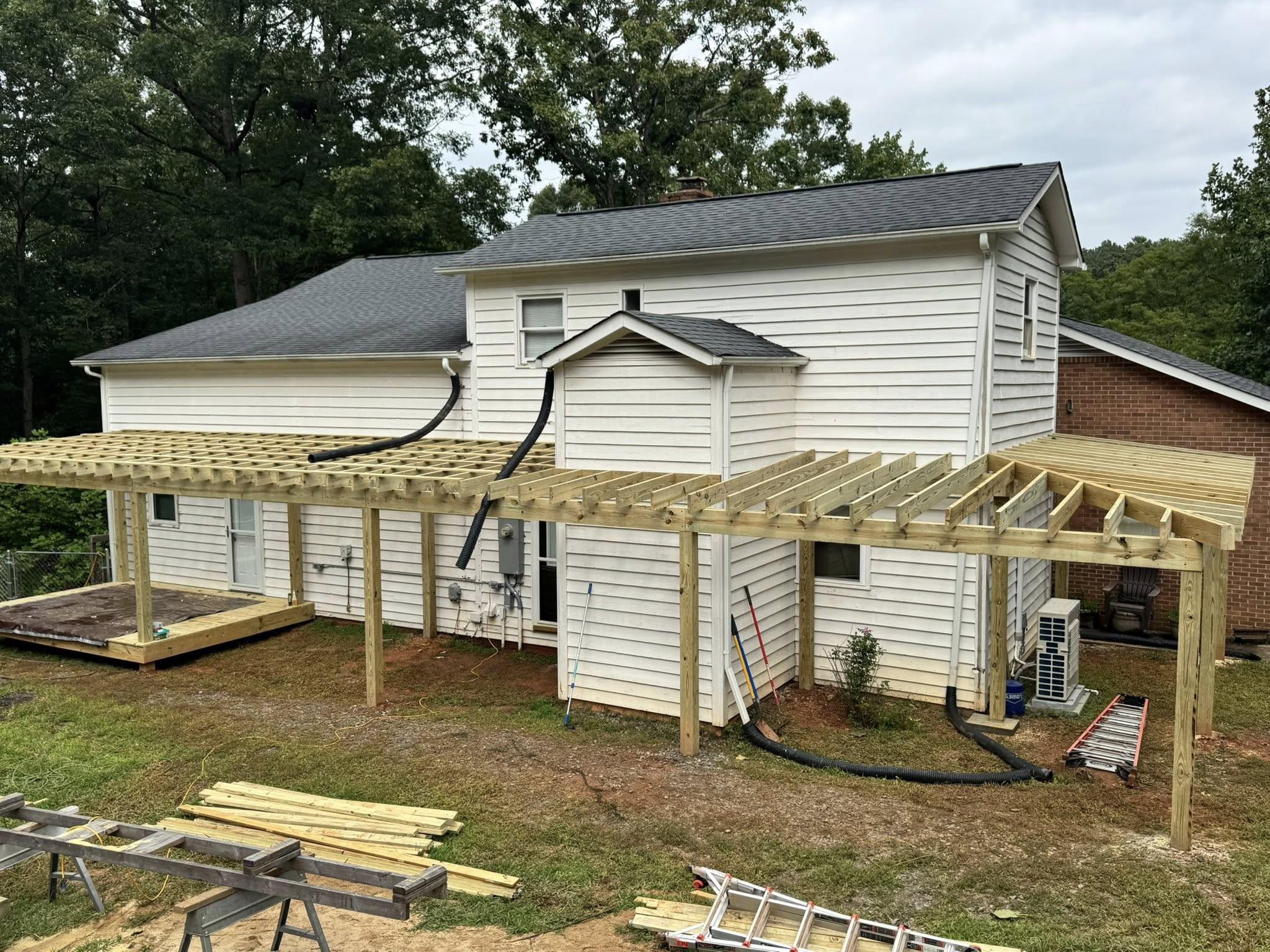
A basic wrap around porch using pressure-treated lumber for framing and decking, simple railings, and standard asphalt shingle roofing will occupy the lower end of this range. Premium materials like exotic hardwoods, composite decking, custom railings, metal or tile roofing, and architectural details like columns with capitals and bases can easily push costs toward the upper limit or beyond.
Foundation Expenses
Your porch requires a solid foundation, representing a substantial portion of the total cost. Concrete slab foundations typically cost $5 to $10 per square foot—less expensive initially but less flexible if you want the porch elevated. Pier and beam foundations run $7 to $11 per square foot and work well for elevated porches or properties in flood-prone areas. Wood deck-style foundations fall between $4 and $7 per square foot but require more regular maintenance than concrete.
Material Choices
Flooring and decking consume 30 to 50 percent of your total porch budget. Pressure-treated lumber remains the most economical option at $4 to $12 per square foot installed, but it requires regular sealing and staining to maintain appearance and durability. Composite decking costs $40 to $80 per square foot but offers superior longevity and minimal maintenance. Premium hardwoods like ipe or mahogany can reach $30 per square foot for materials alone.
Roofing options range from basic asphalt shingles matching your home’s existing roof to standing seam metal roofing that adds architectural interest and exceptional longevity. Metal roofing costs more upfront but can last 50 years or more with minimal maintenance.
Additional Features and Their Costs
Electrical work for outlets and lighting typically adds $400 to $1,200 depending on the number of fixtures and complexity of the installation. Ceiling fans cost approximately $300 per fan installed. Screening for part or all of the porch runs $10 to $25 per square foot. Built-in seating, outdoor kitchens, fireplaces, and other custom features can add thousands to tens of thousands more.
Don’t forget permits, which typically cost $150 to $500 depending on your jurisdiction. Many municipalities require detailed plans for wrap around porches due to their size and structural complexity.
The Value Proposition: ROI and Property Impact
Measurable Financial Returns
Professionally designed and constructed outdoor living spaces typically return 75 to 84 percent of their cost when you sell your home, with some porches returning 100 percent or more under favorable market conditions. The exact ROI depends on your local real estate market, neighborhood norms, and the quality of the installation.
Wrap around porches tend to deliver stronger returns than many interior renovations because they serve multiple functions. They increase curb appeal—often the deciding factor for buyers scheduling showings—while providing substantial additional living space. In warm climates where outdoor living is possible year-round, the value impact can be particularly strong.
Intangible Benefits
Beyond the financial calculation, wrap around porches enhance your daily life in ways that don’t show up on an appraisal. The ability to enjoy your morning coffee outside, host dinner parties with fresh air and views, or simply sit and watch the world go by creates quality of life improvements that justify the investment even without considering resale value.
Studies consistently show that time spent outdoors reduces stress, lowers blood pressure, and improves mood. A wrap around porch makes outdoor time effortless—no need to pack up and drive somewhere to enjoy nature when you can step outside your door and immerse yourself in your surroundings.
Market Appeal
In neighborhoods where wrap around porches are common, not having one can actually hurt your property’s competitiveness. Buyers shopping in areas known for traditional architecture expect certain features, and a wrap around porch often tops that list. Your home stands out positively in listing photos and during showings when it offers this desirable feature.
Design Considerations for Maximum Functionality
Orientation and Sun Exposure
Think carefully about how sun moves across your property throughout the day and across seasons. In the Northern Hemisphere, southern exposures receive the most direct sun, making them ideal for winter enjoyment but potentially too hot in summer without adequate roof overhang or shade structures. Eastern sections catch morning sun perfect for breakfast, while western areas get afternoon and evening light ideal for watching sunsets.
Northern exposures stay shaded and cool, creating comfortable spaces even on hot days. Strategic planning allows you to create climate-controlled zones around your home—sunny areas when you want warmth, shaded spaces when you need relief from heat.
Furniture Planning
Measure furniture before finalizing porch dimensions. A standard dining table for six needs roughly 10 feet by 10 feet including space to pull out chairs and circulate around the table. A sectional seating group requires similar square footage. Don’t design your porch so tight that furniture fits but feels cramped—you want generous circulation space.
Consider built-in seating along railings to maximize usable space. Built-in benches with storage underneath provide seating that doesn’t need to be moved or stored seasonally while creating hidden storage for cushions, toys, or outdoor games.
Weather Protection
The depth of your roof overhang determines how well your porch sheds rain and provides shade. A shallow overhang looks elegant but may not protect the porch during heavy rain or prevent afternoon sun from making the space uncomfortably hot. A deeper overhang—extending 4 to 6 feet from the house wall—offers better protection but requires more substantial structural support.
Ceiling fans make a tremendous difference in comfort during warm months. Plan for electrical service to support fans in each distinct seating area. Screened sections allow you to enjoy breezes while excluding insects, expanding the times of day and seasons when the porch remains pleasant.
Drainage and Grading
Proper drainage prevents water from pooling on your porch or against your home’s foundation. The porch surface should slope slightly away from the house—typically 1/4 inch per foot—to shed water. Gutters along the porch roof perimeter channel water to downspouts positioned to direct runoff away from the foundation.
Consider how water flows across your property during heavy rain. Position steps and access points to avoid creating muddy pathways. Gravel or paved walkways connecting the porch to key destinations like garages, gardens, or outbuildings extend the porch’s functionality by making these transitions pleasant regardless of weather.
Navigating Permits and Property Line Restrictions
Building Permit Requirements
Nearly all jurisdictions require building permits for wrap around porch construction. The permitting process typically involves submitting detailed plans showing the porch’s dimensions, structural system, materials, and relationship to property lines. Plan on the approval process taking several weeks to months depending on your location and the complexity of your project.
Working with experienced contractors who know local code requirements streamlines this process significantly. They’ll ensure your plans meet structural codes, comply with setback requirements, and include all the details building departments need for approval.
Setback Regulations
Setbacks define how close structures can be built to property lines, and they vary widely by jurisdiction—typically ranging from 5 to 20 feet. A wrap around porch extending to the side or rear of your property may conflict with setback requirements, particularly on smaller lots or in densely developed neighborhoods.
Before investing heavily in design work, verify that your planned porch complies with setbacks. If it doesn’t, you’ll need to request a variance, which requires demonstrating hardship or special circumstances. Variances aren’t guaranteed and can delay projects significantly.
HOA Restrictions
If your property falls under a homeowners association, review the governing documents carefully. Many HOAs regulate exterior modifications including porches, potentially requiring architectural review committee approval, restricting materials or colors, or even prohibiting certain features altogether.
Submit your plans to the HOA early in the design process. Addressing concerns and making adjustments before starting construction prevents costly changes later.
Maintenance and Long-term Care
Wood Porches
Wood porches require regular maintenance to remain beautiful and structurally sound. Plan on cleaning, sanding, and resealing or repainting every two to three years depending on sun exposure and weather. Inspect annually for signs of rot, particularly around posts, where water can accumulate, and address problems immediately before they spread.
Pressure-treated lumber resists rot better than untreated wood but still needs protection from the elements. High-quality stains and sealers extend the life of wood decking and railings significantly, making the maintenance investment worthwhile.
Composite Materials
Composite decking offers dramatically reduced maintenance compared to wood. Most manufacturers recommend cleaning once or twice annually with mild soap and water. While composites resist rot, fading, and splintering, they can still show scratches or stains from certain spills, and they may experience thermal expansion in extreme temperature changes.
The higher initial cost of composite materials pays off over time through reduced maintenance effort and expense. Over a 20-year period, composites typically cost less overall than wood when you factor in maintenance labor and materials.
Screening and Soft Features
Screen enclosures require periodic inspection and repair. Small tears can be patched, but eventually screens need complete replacement—typically every 7 to 10 years depending on quality and weather exposure. Keep spare screening material and spline on hand for quick repairs.
Cushions, pillows, and other fabric elements fade and deteriorate from sun exposure. Store these items during winter in cold climates, or at minimum bring them under cover during extended rainy periods. UV-resistant fabrics designed for outdoor use last much longer than standard indoor textiles.
Making Your Wrap Around Porch Work for You
The key to a successful wrap around porch lies in thoughtful planning that balances your lifestyle needs with site constraints and budget realities. Start by identifying how you’ll actually use the space. Do you entertain large groups regularly? A wide, open porch with easy access to the kitchen makes sense. Prefer quiet solitude? Consider creating intimate nooks with built-in seating tucked around corners.
Think about different seasons and times of day. Morning sun, afternoon shade, evening ambiance—your porch can accommodate all of these if designed with forethought. Layer in practical elements like good lighting for evening use, storage for outdoor essentials, and weather protection that extends the seasons when the porch remains comfortable.
Most importantly, view your wrap around porch as an investment in lifestyle first and financial return second. Yes, you’ll likely recoup most or all of the cost when you eventually sell, but the real value comes from the years of enjoyment, the memories created, and the quality time spent in a beautiful, functional space that seamlessly connects your home to its surroundings.
Ready to Build Your Dream Wrap Around Porch?
Whether you’re envisioning a classic farmhouse porch with rocking chairs and wide-plank flooring or a contemporary design with clean lines and modern materials, proper planning and expert execution make all the difference. House designs with wrap around porch require experienced builders who understand both structural requirements and the nuanced details that make these spaces truly special.
At Kentucky Builders & Excavating LLC, we specialize in bringing custom home visions to life. From initial site preparation and excavation through final construction details, our team has the expertise to handle every aspect of your project. We understand that a wrap around porch isn’t just an add-on—it’s an integral part of how you’ll live in and enjoy your home.
Ready to turn your wrap around porch vision into reality? Visit our Building Contractor services page to see our portfolio of completed projects and learn more about our custom home construction process. Or call us at (859) 612-2054 to schedule a consultation with our team. Let’s discuss how we can create the wrap around porch you’ve been dreaming about—a space that enhances your home’s value while providing a beautiful setting for making memories that last a lifetime.

Leave a Reply