
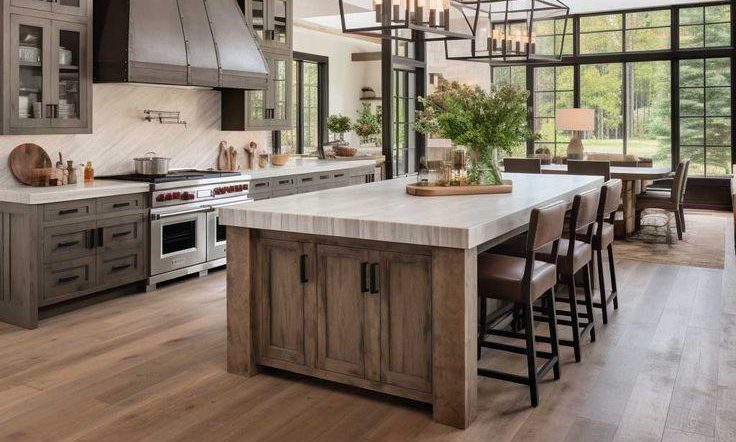
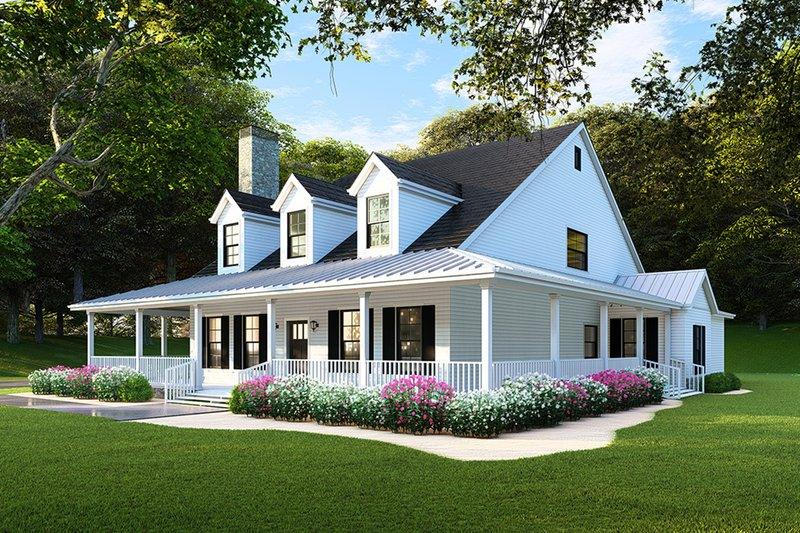
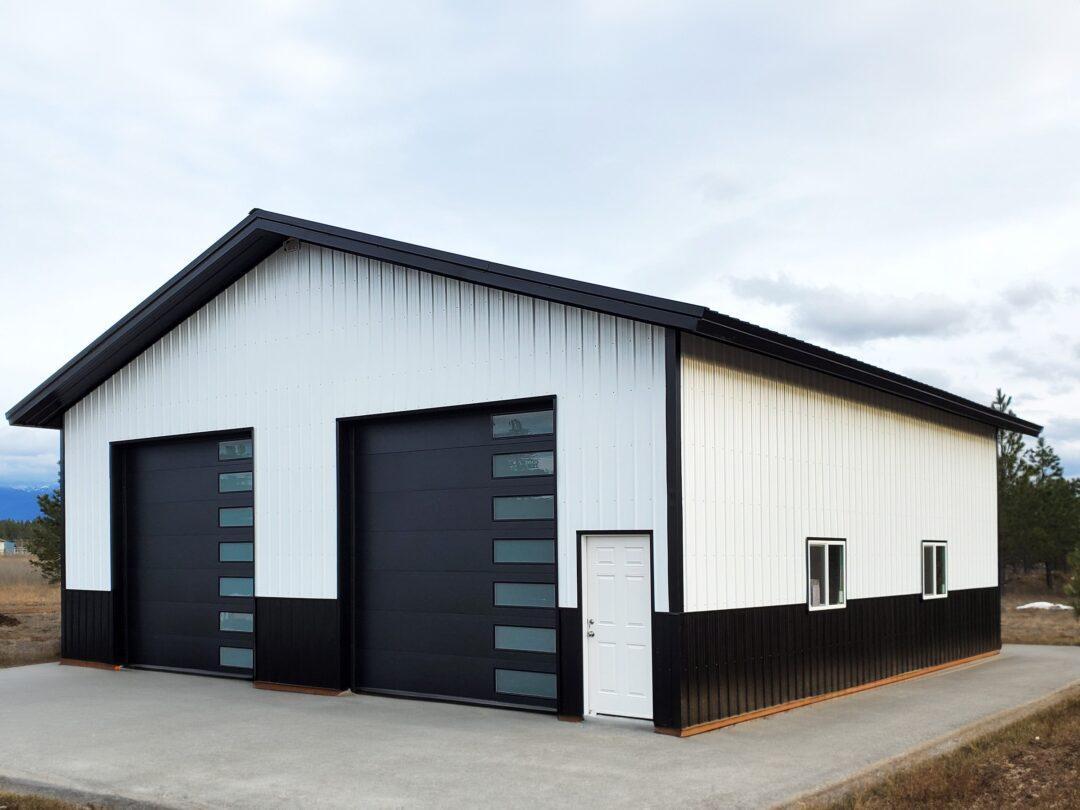
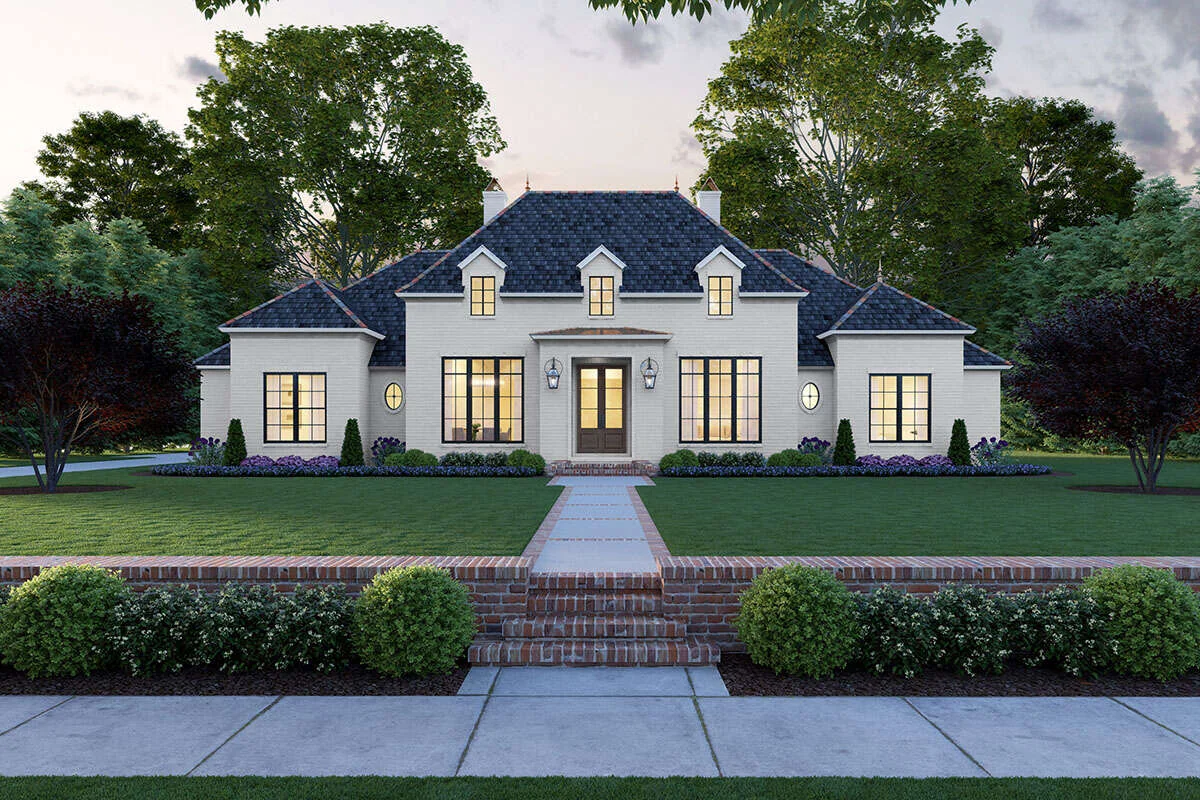


Building your dream home can be one of the most rewarding experiences of your life, but it can also feel overwhelming. From choosing the perfect plot of land to understanding the intricacies of local building codes, there’s a lot to consider when building a house in Kentucky. This step-by-step guide will provide you with essential tips, a breakdown of costs, and invaluable local insights tailored to the Bluegrass State. Whether you’re looking to build your first home or upgrade an existing one, you’ll find expert advice designed to ease the complexities of homebuilding.

Understanding the Home-building Process
Building your dream home is an intricate process that requires careful planning and execution. It begins with conceptualizing your vision and translating it into a feasible plan. This initial phase involves sketching out your ideas, setting clear goals, and deciding on the type of home you want to build. Whether it’s a cozy cottage, a sprawling farmhouse, or a modern minimalist structure, having a clear vision and engaging with an architect or a designer early in the process, can help you refine your ideas and ensure they align with practical considerations.
Once you have a solid plan, the next step is to secure financing. This often involves working with banks or mortgage lenders to obtain a construction loan. These loans differ from traditional home loans in that they are typically short-term, covering the cost of construction and converting into a mortgage once the home is built. It’s essential to have your finances in order and to understand the terms of your loan to avoid any surprises down the road. This phase may also include purchasing insurance to protect your investment throughout the construction process.
After securing financing, you move into the pre-construction phase, which includes obtaining necessary permits, finalizing contracts and scheduling the construction timeline. This phase demands meticulous attention to detail, as any oversight can lead to delays or increased costs. Collaborating closely with your builder and other stakeholders during this time ensures that everyone is on the same page and that the project progresses smoothly. By staying organized and proactive, you can set a strong foundation for a successful home-building journey.
Choosing the Right Location in Kentucky
Selecting the perfect location for building a house in Kentucky is a critical decision that impacts your lifestyle, convenience, and property value. Kentucky offers a diverse range of environments, from bustling urban centers to serene rural landscapes. When choosing a location, consider factors such as proximity to work, schools, healthcare facilities, and recreational activities. Urban areas like Louisville and Lexington provide easy access to amenities and vibrant cultural scenes, while rural areas offer tranquility and a stronger connection with nature.
Another important consideration is the local climate and environment. Kentucky experiences all four seasons, with hot summers, cold winters, and moderate spring and fall seasons. The state’s geography ranges from rolling hills and fertile plains to lush forests and river valleys. Understanding the local climate can help you choose a location that suits your preferences and lifestyle. For instance, areas prone to flooding may require additional precautions and insurance, while higher elevations might offer cooler temperatures and scenic views.
Moreover, it’s vital to research the local real estate market and community dynamics. Engage with local real estate agents who can provide insights into property values, neighborhood trends, and future development plans. Visiting potential locations and interacting with residents can give you a feel for the community vibe and help you determine if it’s the right fit for you. By thoroughly evaluating these factors, you can find a location in Kentucky that aligns with your vision and enhances your quality of life.
Setting a Realistic Budget for Your Dream Home
Creating a realistic budget is a cornerstone of the process when building a house in Kentucky, so that your dream home remains within financial reach. Start by determining your overall budget, considering your savings, income, and any financing options available to you. It’s essential to be honest about your financial situation and to set a budget that includes a buffer for unexpected expenses. Building a home often involves unforeseen costs, so having a contingency fund can prevent financial stress down the road.
Break down your budget into specific categories, such as land acquisition, construction costs, interior finishes, landscaping, and miscellaneous expenses. Each category should have a detailed estimate to provide a clear picture of where your money will be allocated. Construction costs typically include materials, labor, permits, and fees. Interior finishes cover elements like flooring, cabinetry, and appliances, while landscaping encompasses everything from planting trees to installing outdoor lighting. Being thorough in your budgeting process helps you identify areas where you can save or splurge based on your priorities.
Additionally, it’s beneficial to consult with professionals such as builders, architects, and financial advisors to get accurate cost estimates and expert advice. They can provide valuable insights into cost-saving measures, potential pitfalls, and realistic timelines. Regularly reviewing and updating your budget throughout the construction process ensures that you stay on track and make informed decisions. By approaching your budget with diligence and flexibility, you can build your dream home without compromising on quality or financial stability.
Selecting the Perfect Home Design and Style
Choosing the right design and style for your dream home is an exciting yet challenging task. It’s an opportunity to express your personal taste and create a space that reflects your lifestyle and preferences. Start by gathering inspiration from various sources, such as home design magazines, online platforms like Pinterest, and model homes. Make a list of features and styles that resonate with you, whether it’s a modern open floor plan, a classic colonial design, or a rustic farmhouse aesthetic.
Collaborating with an architect or a home designer can bring your vision to life. These professionals can help you navigate the complexities of design, ensuring that your ideas are feasible and align with building codes and regulations. They can also provide creative solutions to maximize space, enhance functionality, and incorporate unique elements that make your home stand out. For instance, if you love natural light, your designer might suggest large windows, skylights, or an open layout to create a bright and airy atmosphere.
It’s also important to consider the practical aspects of your home design. Think about your current and future needs, such as the number of bedrooms, bathrooms, and living spaces. Consider how you use each room and how the layout can accommodate your daily routines and lifestyle. For example, if you enjoy cooking and entertaining, an open kitchen with ample counter space and a spacious dining area might be a priority. By balancing aesthetics and functionality, you can create a home that is not only beautiful but also comfortable and practical for years to come.
Finding and Hiring the Right Contractors
Hiring the right contractors is crucial when building a house in Kentucky, since the expertise of your builder directly determines the success of your project. A skilled and reliable contractor can bring your vision to life, ensuring that the construction process runs smoothly and efficiently. Start by conducting thorough research to identify potential contractors. Seek recommendations from friends, family, and local real estate agents, and read online reviews to gauge the reputation and reliability of different contractors. It’s also helpful to visit completed projects or ongoing construction sites to see their work firsthand.
Once you have a shortlist of potential contractors, schedule interviews to discuss your project in detail. Ask about their experience, qualifications, and previous projects similar to yours. Inquire about their availability, estimated timelines, and their approach to handling challenges and changes during the construction process. It’s important to establish clear communication and ensure that the contractor understands your vision, budget, and expectations. A good contractor will be transparent, communicative, and willing to work collaboratively to achieve your goals.
Before making a final decision, verify the contractor’s credentials and references. Check their licensing, insurance, and any certifications required by the state of Kentucky. Contact their previous clients to get feedback on their experience, including the quality of work, adherence to timelines, and overall satisfaction. Additionally, review the contract thoroughly to ensure it includes all agreed-upon terms, such as payment schedules, project scope, and warranties. By taking the time to find and hire the right contractor, you can set the foundation for a successful and stress-free home-building journey.
Navigating Kentucky’s Building Codes and Regulations
Understanding and complying with Kentucky’s building codes and regulations is a critical aspect of the home-building process. These codes are designed to ensure the safety, durability, and energy efficiency of residential buildings. They cover a wide range of aspects, including structural integrity, electrical systems, plumbing, fire safety, and accessibility. Familiarizing yourself with these codes early in the planning stage can help you avoid costly mistakes and delays.
Start by researching the specific building codes and regulations applicable to your location in Kentucky. The Kentucky Building Code (KBC) is the primary set of regulations governing construction in the state. It is essential to understand the requirements for your project, such as minimum building standards, zoning regulations, and setback requirements. Zoning regulations, for example, dictate how land can be used and what types of structures are allowed in specific areas. Compliance with these regulations ensures that your home is built legally and meets community standards.
Working with experienced professionals, such as architects, builders, and inspectors, can help you navigate the complexities of building codes and regulations. They can provide guidance on meeting code requirements, obtaining necessary permits, and ensuring that your construction plans are compliant. Regular inspections throughout the construction process are also essential to verify that the work adheres to code standards. By staying informed and proactive, you can ensure that your home is built to the highest standards of safety and quality, providing peace of mind for you and your family.
Essential Permits and Approvals Required to Build a House in Kentucky
Securing the necessary permits and approvals is a crucial step in the home-building process. These permits ensure that your construction project complies with local, state, and federal regulations, safeguarding the health and safety of occupants and the community. In Kentucky, the permitting process varies depending on the location and scope of your project, so it’s essential to understand the specific requirements for your area.
The first step is to obtain a building permit, which is required for most new construction projects. This permit verifies that your plans meet zoning regulations, building codes, and other relevant standards. To apply for a building permit, you’ll need to submit detailed construction plans, including site plans, floor plans, and structural drawings. These documents should outline the scope of work, materials to be used, and compliance with safety and environmental regulations. It’s advisable to work with a professional designer or architect to ensure that your plans are complete and accurate.
In addition to the building permit, you may need other permits and approvals, such as electrical, plumbing, and mechanical permits. These permits ensure that specific systems within your home meet safety and performance standards. Depending on your location, you might also need permits for septic systems, water wells, or driveway installations. The permitting process typically involves submitting applications, paying fees, and undergoing inspections at various stages of construction. By diligently obtaining all necessary permits and approvals, you can avoid legal issues, fines, and potential delays, ensuring a smooth and compliant construction process.
Tips for Managing the Construction Timeline
Managing the construction timeline effectively is essential to keep your home-building project on track and within budget. A well-planned timeline helps you coordinate different phases of construction, manage resources efficiently, and avoid unnecessary delays. Start by creating a detailed project schedule that outlines each step of the construction process, from site preparation and foundation work to framing, electrical, plumbing, and finishing touches.
To develop a realistic timeline, work closely with your contractor and project manager to understand the duration and sequencing of each task. Consider factors such as weather conditions, availability of materials, and the complexity of the design. It’s important to build flexibility into your schedule to accommodate unexpected events, such as delays in material deliveries or unforeseen construction challenges. Regularly review and update the timeline to reflect any changes or progress made.
Effective communication and collaboration are key to managing the construction timeline. Establish clear lines of communication with your contractor, subcontractors, and suppliers to ensure everyone is on the same page. Hold regular progress meetings to discuss the status of the project, address any issues, and make necessary adjustments. By staying organized, proactive, and communicative, you can keep your construction timeline on track, ensuring a timely and successful completion of your dream home.
Incorporating Sustainable and Energy-Efficient Features
Incorporating sustainable and energy-efficient features into your home is an investment in the future, offering long-term benefits for the environment and your wallet. Sustainable design focuses on reducing the environmental impact of your home by using eco-friendly materials, energy-efficient systems, and renewable resources. Start by selecting building materials that are durable, recyclable, and sourced from sustainable origins. For example, consider using reclaimed wood, bamboo, or recycled metal for construction and finishes.
Energy efficiency is another critical aspect of sustainable home design. Installing energy-efficient windows, doors, and insulation can significantly reduce your home’s energy consumption and lower utility bills. Consider incorporating renewable energy sources, such as solar panels or geothermal systems, to power your home. These systems can reduce your reliance on fossil fuels and decrease your carbon footprint. Additionally, energy-efficient appliances, LED lighting, and smart home systems can further enhance your home’s efficiency and convenience.
Water conservation is also an essential component of sustainable home design. Implementing water-saving fixtures, such as low-flow faucets, showerheads, and toilets, can reduce water usage without compromising performance. Consider installing rainwater harvesting systems and greywater recycling systems to reuse water for irrigation and other non-potable uses. By integrating sustainable and energy-efficient features into your home, you can create a healthier, more comfortable living environment while contributing to a more sustainable future.
Final Walkthrough
The final walkthrough is a critical step before moving into your new home, providing an opportunity to inspect the completed work and ensure everything meets your expectations. Schedule the walkthrough with your contractor and bring along a checklist of items to review, such as the quality of finishes, functionality of systems, and overall cleanliness. Pay close attention to details, such as paintwork, flooring, cabinetry, and fixtures, to ensure they are completed to your satisfaction.
During the walkthrough, test all systems and appliances to verify they are functioning correctly. Check the plumbing by running faucets, flushing toilets, and inspecting for leaks. Test electrical systems by turning on lights, outlets, and switches. Inspect heating, ventilation, and air conditioning (HVAC) systems to ensure they are operating efficiently. Make note of any issues or deficiencies and discuss them with your contractor to arrange for necessary repairs or adjustments before finalizing the project.
Ready to get started? don’t leave it to chance. Partner with a trusted local contractor like Kentucky Builders Excavating LLC today to discuss your project and ensure your future home begins on solid ground. Contact us here or click the links below.
Call: (859) 612-2054
Email: kentuckybuilders@upwardmail.com

Leave a Reply